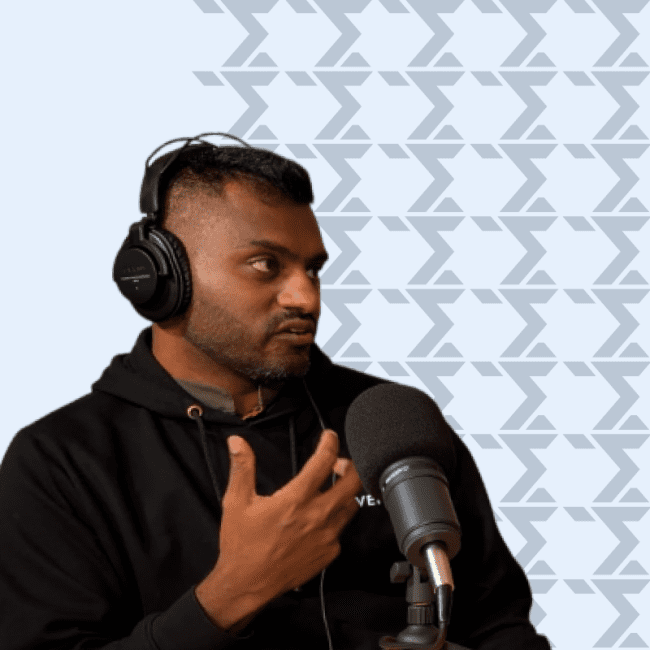
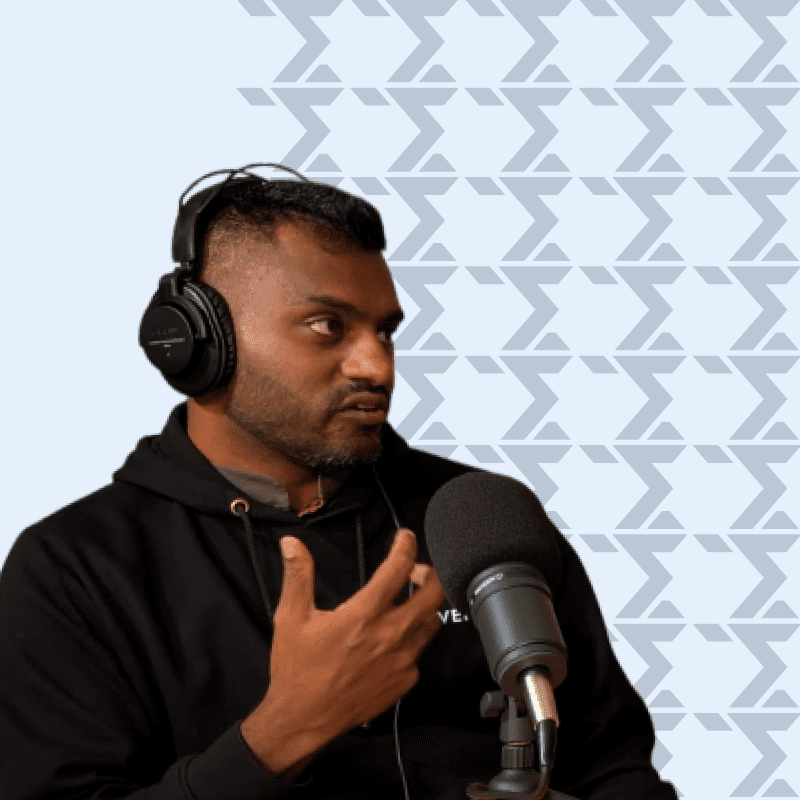
Arpit Jacob: Software Outsourcing, AI, and Faith-Driven Leadership in Africa

Arpit Jacob: Software Outsourcing, AI, and Faith-Driven Leadership in Africa

Episode 1
38:37

How do you build world-class software teams in Africa while staying rooted in faith, strong values, and leadership? In this episode, Arpit Jacob shares his journey from global software consulting to building a people-first, impact-driven tech company in Rwanda.

The conversation explores software outsourcing in Africa, Rwanda’s growing tech ecosystem, and how raw talent can be developed through leadership training, mentorship, and ethical business practices. Arpit Jacob explains how faith-driven leadership and Christian entrepreneurship shape company culture, long-term employee growth, and meaningful impact beyond profit.

We also dive into AI automation and how businesses can use technology to increase efficiency without removing the human element. From software development services and automation tools to building scalable teams across East Africa, this episode highlights how impact-driven businesses can deliver world-class results while empowering communities.
Listen to the specific part

00:01
Arpit Jacob's Background in Software Engineering and Consulting
03:40
Why Rwanda’s Tech Potential Stands Out
06:10
Government Support, Youth Talent, and ICT Growth in Rwanda
08:45
Excellence, Ethics, and Faith-Driven Leadership in Business
11:00
Training Young Developers Beyond Technical Skills
13:30
Building People-First Software Teams Across Cultures
16:05
Integrating Christian Faith into Company Culture
19:10
Long-Term Employment, Work-Life Balance, and Ethics
22:00
Leadership Academy and Mentorship Model
24:20
Raising the Next Generation of Leaders
26:45
Scaling Teams and Building Sustainable Systems
29:50
Challenges of Growth and Training at Scale
31:05
The Forge: Community Hub Vision for Rwanda
33:30
Ideal Clients, Impact-Driven Investors, and Partnerships
35:00
AI Automation and Software Development Use Cases
38:20
Using Technology to Improve Business Efficiency

Episode Transcript:

I started with one person with a broken laptop and now that person is training other people. One secret I would be like people people should always come over projects. I had to reframe and think actually it's not a problem. It just this is a different culture and we need a different system. We can't apply the same systems that that I'm applying in India or uh when I go to the US with the US clients or you know with the European clients. We need a different system here. Well, it's my pleasure today to to welcome Arpit to the podcast. He and I have been friends here almost a year now. Got introduced by a CEO here, local CEO. Uh and just hit it off both on the business side. We have uh some some projects we're working on together. Uh and then just personally too. Uh his family is about the same same stage of development that I am. Uh and so he's been a a huge blessing as as we're getting settled into the country and and learning how how everything works. So Arpet, thank you for being here. Yeah. It's my pleasure to be here and excited to meet like-minded individuals and yeah, just let's take this forward. Awesome. Well, first one's a pretty easy one. We just want to get to know you a little bit. Can you tell us about your your background? Uh kind of what you do. Yeah. So, I'm originally from India. Um Chennai, that's down south. Uh grew up in India. Um I have a degree in software engineering. That's something I've been passionate from since I was a kid. Uh I kind of taught myself to code early on. Um and my parents were missionaries and so we kind of moved around a lot in different parts of India. So my experience uh has been very varied. Um I don't speak the language where I'm from cuz we kind of moved around so much and India has so many different language cultures. I the while growing up I got to experience a lot of that. Um but I think getting into software kind of really opened my eyes to the global market who worked for a few companies. Uh I realized that you know I was not just limited to the country that I was in like I could do work for people outside as well. So ended up consulting for a few big firms in India outside uh and yeah software has been a huge part of my life. Um, and how I ended up in Rwanda was, uh, I did a mission trip with my church in 2018. Uh, and we actually originally went to Uganda, but I love traveling. And so I decided and told my friends, hey, I'm going to stay back and try and visit these other countries. I had a few friends in Mombasa. Uh, and then a friend was starting a church here in Kgali. And I was like, hey, let me go stay with them. And I just saw the potential uh, of this country, of this nation. and there's so many young people uh and I think I just uh felt like I could you know move here and make a difference. So in a nutshell there's a lot more that's happened but that's that's that's a little bit about me. Yeah. As we do um interviews in Kaggali particular and Rwanda particular that word potential uh keeps coming up again and again. I'd love to actually like double down there like when you when you first came to Kaggali when you first came to Rwanda like what is it what is it that you saw? So you will hear me talk a lot about my faith because you know that that is the foundation of who I am uh and everything that I do. So um in India I was part of this uh really wonderful church and a few words that were spoken over me was like I would be training young people and it was something I was praying for a long time and so when I did this trip uh I entered this house and I saw all these young you know men and women there and as I started having conversation with them I could see there was uh they were so hungry and ready uh but the opportunities just just weren't there um and especially someone who is you know doing software like my first question when I meet up so software engineers like hey so what did you learn what did you do uh what are they teaching you I just found this gap in knowledge uh and at the same time the word that I was given I could see god is there something here um and then I was looking at at the stats of Rwanda uh 65% of people are under the age of 30 so we have this um again you know the history of what's happened etc Uh it is sad but the potential is huge because you have this all these young people coming out and um when we talk about potential is I have seen my own journey you know when someone has poured and mentored into me when I was young uh and here are all these young people like just waiting to learn and absorb uh and just find meaning in their life and I think that was one thing that kind of pulled me into you know Rwanda and like I I just made that decision And um again, it's it's a long story how I ended up here, but it's just God just guiding me every step of the way. And um yeah, he's he's really blessed whatever I'm doing right now. So you you talked about the talent and that was actually one of the first things that that really hit me. It was it was after we had moved here and I was hiring for our first outsourcing contract. Uh and I'm a former BCG consultant. I I have sat and interviewed a ton of Ivy League students in the States and like kind of know know what it takes to interview somebody and all of that. But as I sat down and started started talking to a few software developers, I went, man, like the the raw potential, the raw talent, the the skill that is here is is amazing. Um, and at the the val like the level of value that we're able to provide for a US client, I basically said like, hey, if if I can't find a good paying job for them, a good good client opportunity for them, that that's on me. Um, and so that was one of the big things that that attracted me here to the country as well. Absolutely. Absolutely. Yeah. Um I mean the other thing is the government is so pro ICT they're pushing so hard and training this so is is just that it needs that extra level of training uh uh skills is one thing okay and we can talk about the other part which is leadership and soft skills and professional etiquette uh that is not being taught as much and that's where I see the true potential you have all these young people with the skills they just need this extra level of training that can help them you know become world class. Yeah. Yeah, we've had other folks on on the podcast that are involved in technology certainly and and that seems to be a consistent theme where especially in Rwanda, there's so much interest and recognition from the government here that this is a big part of the future. Um, you know, even going back to my experience when I first started coming here, a a big topic of conversation was the 2020 vision and where they were going and, you know, technology being a core pillar within that structure and and kind of whether it's technology or any other industry within within Rwanda in particular, you know, there's there's support from the government to say this is important. There's eagerness from young people to be a part of that, which are all really important, you know, ingredients to this recipe. The challenge is having a level of excellence, a level of experience. And that's something that you can provide in this context to say, "Yeah, let's take your eagerness. Let's take the government support. Let's take this this mixture and let's turn it into this amazing thing that really can be impactful." Yeah, you're you're speaking the language I talk. Yeah, absolutely. And and as a Christian, you know, I believe that the bar for excellence is really high. uh it's not just in your skill but the way you treat people you know the the way you do things the value you bring to clients you don't just do the bare minimum you just go above and beyond and just came naturally to me like man there's so much potential all these young people all they need is just hey how do I take this skill and use it not only to just uh earn an income but actually to bless others uh because you know we need to pass on what has been given to us right we need to steward that wealth Well, and absolutely the gum like the visa process was so easy for me. Again, I uh when I first came the first thing you know um I did was research go to all these entrepreneurs group and um people was struggling to get their visas but because I was coming from you know a software background I think it was just straightforward and easy. I just I immediately got for 2 years um they came to my office they checked my credentials I had a degree I had office space and this this is my plan. I didn't even have real projects. It's like no but the fact that it was you know related to ICD and technology they were like yeah we see your credentials we see the potential that you can bring to the country it was easy setting up the business all of all of it was just straightforward and so yeah I I absolutely agree you know that level of excellence is broad yeah and I love how you frame the excellence there too because I think we've all come from a background of consulting and done you know you talk about BCG and these big projects and you do these deals and and it's funny you know my framework for coming into this was always you know no one's life was ever changed by an SAP project was a joke that we said forever, right? You do these projects, you can be cynical and jade and it's like well no actually your life can be transformed through a properly executed project that's where like if we can really solve a customer problem like you take a you know a legal consolidations implementation like okay bringing together accounting data it sounds really boring if you do the job well all of a sudden the controller gets to go home at month end quarter end year end at a reasonable hour they get to be a better husband and wife they get to be a better parent and and there really can be an impact through a level of excellence of caring that the work that you're doing really to solve the problem. Absolutely. And um a lot of our staff originally were still studying and working and they didn't have even the money to fund their education and this actually you know bring them on but actually help them give a healthy environment where like okay I'll give you the flexibility you go study but give me you know 3 or 4 hours of your time. So if one you can pay for your studies at the same time work for me and by the time you graduate you are you know a ready employee. Uh I think that's one of the ways that has made a huge impact on you know the the people that we hire. Yeah I love talking to people who are actually doing the work right you're you're not just in Kagali Rwanda. Uh you have a background in multiple nations. You actually have a team that's in multiple nations today. Uh and you have this this focus on raw talent. take raw talent and turn it into folks who are able to deliver uh amazing experiences for clients. Can you unpack the the secret sauce just a little bit? Like what's it actually take to make that happen? I think the first two years was a huge learning curve for me. Uh so it's it's not like I came in readym made and I I just knew exactly what to do. One I'm coming from a very different culture. Um uh we have a lot of similarities you know Asian and Africans like it's very family oriented um and the focus is more on relationships uh than the work ethic part of it like I need to maintain relationships or this other part but so it was a huge learning curve. I think the first one or two years uh I had to reframe and rethink how I was doing things. Um again India has been through 50 plus years of working with western clients and outsourcing. So it's like really fast-paced uh things need to get delivered on time etc. So um when I came here I had to really you know uh readjust the systems that I was used to um and adjust it to the market. things that look like a problem to me. Uh I had to reframe and think actually it's not a problem. It just this is a different culture and we need a different system. You can't apply the same systems that that I'm applying in India or uh when I go to the US with the US clients or you know with the European clients. We need a different system here and um the values don't change but the systems can change. uh here I needed to spend more time training up people uh again not skills you know the professional aspect leadership uh taking responsibility all of those things um and so I don't know if there's really a secret source I think every uh market or place you just have to you know adjust those systems but you keep the main core vision um and values consistent um one secret I would be like people people should always come over projects. Uh and I rather have someone who is um you know ethical, honest uh and is just needs more time to gain that skill and they add a lot more value than someone who's like super smart uh can get things done. Um but it causes more stress for me at work because I don't know where the project is at and I think that is something we uh purposely implement in our company like uh not just skills we also look at your your attitude are you someone who's willing to learn self learn uh are you someone who is not uh afraid to admit your mistakes you know um that really helps us um be honest with our clients as well like hey uh there's a delay in our deliverables Whereas if I don't have that information and I believe that it's going to be done and then it's like last minute it's like going to the client and you know I don't want to be in a place to make excuses. So I would say focusing on the uh not just the skills but the the leadership and taking responsibility and you know your values and ethics is I would say some like a bit of a secret sauce at least for us as a company. Um, yeah. It's funny you say that is I if I were to interpret what you're saying, it's like it's the people like I talk about it a lot like we're fundamentally in a people business and so you know just like you'd care deeply about the the quality of you know your inventory or something else the the quality of what you're delivering in other areas you care about the people the same way right and so yes yeah like otherwise it's just um profit driven and it's about numbers. Um al also honestly I don't think that that's the way I'm built. I I do want profit. I do want us to be successful. Uh but not at the cost of you know uh getting burnt out or just pushing people hard where also the turnover rate is much higher. I've learned this hard lessons through my consulting days where it's just project to project. It's like people come people go. But what true value are you actually adding? Yeah. You know it's not just a job. you actually have an opportunity to to help people uh really rise in their character uh and the gifting and their skills. Uh and as entrepreneur you know um they're coming into your space and you have opportunity to actually shape the culture. Uh whereas with it's just freelancers or contractors there's no say it's just it's just a project and just say okay we got this much money this much percentage done boom uh the project is done. Yeah. Yeah. One of the things I love about your model uh is the level of intentionality you have in integrating faith into the work that you're doing. Uh we've been talking a lot like inside of the business what it looks like to develop people, but I know you have you have a lot of vision for even in the community uh more broad people development. Tell me like what do you what are you doing in that space to develop people more broadly? Yeah, faith is a huge part of who I am. Um I think being a Christian has really shaped my world view. Uh there was a season in my life where uh even though I was a Christian like you know I didn't really know what that meant and it was quite selfish. It was like I said I was a consultant and I was just doing project to project. It goes like how much can I push to get more money at the you know uh and then God just put this crossroads in my life uh through a series of events and he kind of challenged me like you're you're sort of living for yourself and you say you want to change the world you want to make an impact but this is not how you're going to do that it's it's always going to be through people and what she actually did was he took took away all my projects okay there was a season in my life where uh when I moved here I I had to start from scratch. Um I lost all my consulting gains etc. And I just had to really learn okay God what are you trying to show me here and the one he gave me was train. I was like but I don't have projects like what am I training them for? It's like no just just train take people you see these people in need um and you say you want to make an impact go do this. And um I started doing that for a year. It was the most frustrating season of my life cuz again cultural differences and I'm like okay let me train them and let me go try find projects. Um the projects were not coming but all I just kept training but in that season God really showed me what what does training look like? You you're focusing so much on the skills and you can keep hearing me talk about leadership you know character all of that. That part was really missing. I I just thought if I could get people the skills and then some of my projects, we could create a successful business. But God kept coming back and saying, "No, it's it's the people uh and how are they actually helping them become better." What if you do all the training and they leave? What's going to happen then? Are you willing to let go of that? And are you actually setting them up well for the company or the organization that they're going to join? I think once I had that when I once I learned those lessons and it it changed my perspective, then that's when the project starts coming. is like God is like okay you've learned your lesson so this is what I want you to do so we are openly a Christian company what that means is we might not show showcase it on our website but that's the values that all drive us um a lot of people who work for us are Christians as well one thing I always tell people it's easy to teach skills but it's very hard to teach character and when someone says you know hey I'm actually a Christian at least I can have that conversation with them like okay so if you say you're a Christian this is the bar then you know you cannot compromise on these values you know if if you say you are a Christian so uh I think that's really helps um help us have a healthy work environment like um like just people just being honest uh where they are where they need help uh with um and I've also noticed like a lot of companies here kind of overwork their employees you know um and so we don't bother people on a Saturday and a Sunday again. Some of the guys who come work for me like surprise. Okay. So, we don't work on Saturdays and Sundays nothing. Yeah. Yeah. Yeah. That's your time, you know, to take time off with family, etc. Uh paying people on time. Uh and also when someone joins us, we're not just paying you a salary. I always tell them this is a long-term investment, you know. Uh uh if you're giving you a contract, your job is secure. whether we lose the client or not, I'm going to make sure you're going to be paid at least for that year, you know, uh what kind of training can we give, you know, uh how can we invest in you, right? So, I think it's all part of, you know, being a Christian is like how can we make a difference in people's lives? Um obviously sharing your faith is a big part of it. uh um sharing you know um what God has done in my life but when someone is struggling how do you share your faith without actually addressing the underlying issues right and people are struggling with poverty when people are struggling with um you know familial issues uh I don't know if you heard this word black tax it comes up a lot with when I talk with the guys when someone works for us they're not just working for themselves they're actually working for the extended family so the money is actually going to support their parents, their siblings for pay for un university fees, all of that. Uh and again, you know, I had to discover that and keep that in mind when when we trying to support people. It's it's not just a salary. It's like you are actually supporting the community around you. So, yes, faith is a big part of uh everything that we do u as a company. Yeah, that's awesome. There's so many things that you you just hit on that resonate with me, but let's let's dive in on, you know, faith being deep in in the work that you're doing. Uh, one of the things that's been amazing for me on this this journey into entrepreneurship, particularly in Africa, uh, is the level of freedom and flexibility that there is uh, to integrate faith with the work that we do. Right? Right? In corporate America, it looks like one thing and there's lots of great one-on-one relationships, those kind of things. But like inside the context of a of a business, like you're you're making an impact in families, you're making an impact on individuals, you're making impact on all of all of their future projects that they work on and how they how they do business. Um like what are some of the practices that you have personally to integrate your faith into the work that you're doing? One is we do skill-based training but we also run a 9 months leadership we call it leadership academy and it is a intentional process. Um there are a lot of people uh who are Christians in this nation. It is a it is a Christian nation but people don't really understand what that means. They're a Christian because their parents are a Christian or they've been asked to go to church but they don't they haven't really discovered their faith. So what we do is we provide them with a holistic discipling course. Uh there's an interview process etc. just to make sure hey we're doing this almost for free. Uh we all we need is a commitment from you to you know uh be part of this program. And so it runs for 9 months. We teach them the foundations of you know the Bible. Why why these books? What is the Old Testament or New Testament? All that. And then in the second term we kind of focus more on their character. What what's your personality like? What's a gift thing, right? Uh like uh are you living your life because someone has put expectations of you or are you living the life God has actually designed you to be? Okay. Uh and all of this and then we finish off with um you know uh basic things like communication, leadership, uh leading others and also replicating it. Okay, we have given you all these tools and training. How can you go and now disciple other people? And so we offer this. This is more intentional, but there are obviously a lot more subtle ways because not everybody is a Christian. Okay? And we we're not we're not saying that we only hire Christians. It's open to anybody. Anybody can join. But we openly pray uh give option to people to pray in office. Um we also use a space to uh you know run a Bible study uh for the for anyone who's interested. It's not forced upon anyone else's. Also we we continually repeat that but we are openly uh Christians is what we value in uh and explain the why. Um because just telling people the what is not sometimes helpful. You have to keep going back to the why. This is why we do what we do. This is why yes uh this person to you seems like is not qualified or keeps messing up but we want to still give them a chance uh because they are honest about where they are. you know, ju just small things like that we yeah continually incorporate in our company. So yeah, I hope that answers what you're like how you said, you know, not just the training but the the kind of throwaway comment at the end is probably the one of the most important pieces in my opinion you talked about and then passing it on to the next person. And I think you know it it's always fascinating to me when you know people rediscover biblical truths in a non-biblical context. So you know the idea of paying it forward like most people would recognize whether it's through like things like karma or whatever the idea that okay what I have received I need to pass on to other people and I think that's so important in the work context in terms of you know we use context like uh you know extreme ownership which is a book that kind of really you take full accountability for the piece that you have but that's that's not just doing a good job it's also enabling the next person to do a good job when they take and run with it. How much more so through your faith when you think about like, you know, a pastor once described as us being conduits of grace, conduits of of blessing and opportunity. And so as we receive, we we give onto others as well. And I think you know this is a consistent refrain anywhere on the planet but especially in the African context when you think about the growth of Rwanda and you think about the opportunity within Africa across the board. you see so many examples of corruption and and not just true corruption but the way that we think about it but you know uh targeted corruption in that this selfish nature of okay I'm going to receive and then I'm not going to pass it along and and how do you really create generational transformation it comes from enabling and helping understand that it it true success is passing that on to somebody else you know how how have you seen so I say kudos to you in that and that I think that's the right way to think about How have you seen that play out in the time that you've been here and you know what are some of the examples of of that you know downstream impact that you've been able to see play out? Um so I started with one person with a broken laptop and now that person is training other people. Uh he's a you know a Christian, a believer, someone I really trust. Um and so um we we have a DNA that says raise the next. Okay. So all this gifting and all this leadership and all this talent has been poured into you. Now it's hard for us to scale because I can't just before it was fine. It was just me and 10 guys. I can do one-on- ones and kind of do the training and all of that. But now that we're trying to we've hit like 28 almost 30. Um, it's hard for me to sit down with everybody and have that conversation. How can we help you? How can you help you grow? Right. And it's just amazing to see these young men and women now uh after two or three years of just being with us now passing on to passing on the same thing. And now the conversation is more like, okay, how can we make this better? And we sit around a table and discuss who's doing well and who's who's not and how can we help this this I think that that's been the biggest win for me. Again I have to learn through my mistakes you know cuz um sometimes a perfect like this this is how we do things but God is just challenging me saying hey no you need to delegate and you say raise the next um but you you're applying it only to people directly under you but you also have to have a mid-level you know uh leadership team around you that you also raise up so they can actually replicate because that's more sustainable so uh I think a few people that really stand out is I have a young guy his name his eaves. Yeah. Just seeing his passion to learn and grow. Like he's someone who's like, you know, I can just be really honest where he is at. Not only does he take that and learn he actually goes I you know like I made him chat because he's he's really cares for people you know like he takes what our values we have and then speaks into other like guys this is why we are doing this you know and that's just been wonderful for me to see and also taken off a lot of the you know burden of trying to raise so many people's uh to the next level. Yeah, I I can personally speak for him. Uh as we were going into the review cycle this this quarter, uh Eve's helped uh our HR guy uh put all the processes in place. So So he's paying it forward across other businesses as well. Yeah, that's digging now. We've talked a lot about kind of why you're doing what you're doing, um where you're headed, some of the opportunities that are there. Uh talk to me a little bit about the challenges. You know, you're you've started up a business in multiple countries now. Um you talked about the first year being really difficult. uh what was it that was a challenge you know what did that look like I think scaling is always a challenge uh how things work when there's 10 employees is very different once you double I think some I've read in a book like every time you double you need to change your systems uh so right now the biggest challenge is we're doing all this training so if I count we've actually trained over 120 people to 150 people in the last 5 years and I would love to you know uh and not just take 10 20 people at a time, take at least 30, 50 people. But the way it works right now is the profit from the business sort of funds this training. We can't take everybody. Um, and we try and take the, you know, the best if we could, right? So the two ways. One, we're finding it challenging to actually scale up the training. And the other one is we also want to be a place where we just give jobs to people as well. So because a lot of people come in with expectation that if I do this training I'm going to get a job but I don't have enough projects to kind of give everybody a job. So I think that that's that's something we're still trying to figure out uh do more of bisdev uh connect with you know businesses in the US uh in Europe and in India and bring in more projects. Um the other one this is a bigger vision that we have uh and this is separate business it's called the forge. We uh we don't want like we don't want to just limit ourselves to just software development. We want something more holistic, communitydriven. So we're looking to buy uh around uh 10,000 square m of land and start a community hub where the software part will be integrated to do all the training but also be a sports center. Um because one of the gaps I noticed uh especially when you're young right you have family school and that's it anything else if you want to go to the movies you have to pay if you want to uh accesses you know play football everything you have to pay and young kids really don't have that opportunity right now and so I think that is something we are just having faith for um and it's called the forge right now forge community center so it's going to have event space a sports center and uh the training center for um software. We also want to do some sort of agriculture training. Um, so my father-in-law Nate Kemp, he's been here more than 12, 15 years setting up huge farms. And I know the government also is focus focusing on being self-reliant and he knows farming techniques that are um that are that are natural uh and help you produce more crops per hectare than uh the normal way of farming and just teach that and impart those skills to people. So yeah, uh there's a lot we want to do, but yeah, this is where we are at right now. That's awesome. So let's let's talk like one of the things that we want to do is want to make uh connections. So like who is it that you're looking for to be amazing partner? Maybe we start on the on the client side. Like who who's your ideal client? Like what pain points do they have that when when they they feel these things, they should reach out to you? The core business is a software business. So any business any software business that is um you know one excellent service um again outsourced. So I think in the the advantage for US companies or European companies is like you could cut costs significantly. Uh and uh if you're impact driven and you especially if you're faith driven you have an opportunity to make a huge difference here in Africa. Uh because right now we're in Rwanda but we do want to expand to rest of East Africa uh Tanzania, Uganda and Kenya because we have connections there. At some point we want to replicate the same self-sustaining model where we have companies running there and you're training people at the same time empowering them to you know come come out of the poverty or whatever things that they're struggling with. So that's one area. Um any impact driven investor uh any any software services company we're looking to outsource. But for the forge I think we're looking for primarily impact driven in investment because uh we want it to be self- sustainable. We want it to be profitable but profit is not the main objective here. is like community development and change and transformation uh building leaders um uh and it it is going to be a a space I I said a sports center so it's not just a place for people to just come and play and you know have a good time but it's it's an intentional space where you where you use team building activities for young adults uh for corporates to come in uh again faith driven so I think for that project we need a different kind of investment um we have managed to raise uh money for the land uh almost 300,000 internally. Again, this was something God challenged me on like before you go look outside, you need to bring the money from within. And I think the whole project we have roughly estimated around 2.5 million uh including land development, all of this. So yeah, those are the kind of people we I'm looking to connect with and uh hopefully partner with and they see the vision uh and they want to have want to make an impact. maybe go one level further on the software development piece. Um, can you give some examples of the types of projects that you've done, skill sets, etc. And I I think I I asked this because I think a lot of times obviously people who are looking for a software developer now great, I have a potential option. I think maybe another frame is for folks listening to this that have even gotten into the software development world and are thinking about how do we help solve problems especially in kind of an AIdriven world where we know some type of automation probably helps our business but we're not sure how to tap into that. Um describe some of those ways that you might be able to help out someone who's not coming specifically for software development but more how can we take technology to improve our business. Absolutely. Um so um I think I'll give some examples of companies we work with and how that could actually have an impact. So we're working with a big healthcare startup in the UK. Um it's a software for the NHS uh and it's a very complex um software a lot of data entry but what we're doing is uh we're using AI to cut the time that it takes to enter data. And that same uh technology can be used in any domain. Uh especially uh I think domains like finance or insurance where this you you have someone who's entering a lot of data manually. Uh AI can you know uh scan the forms, scan the PDFs or written even handwritten roads and it might not be 100% accurate but at least it's cutting down your time which took you one to two hours to at least 15 minutes of just reviewing it. Uh so um again AI and and automation can really help your business uh be more efficient. We're not taking the human element out of it. The human element is still there. It's just that you you get to focus on things that are really important. And so what I would say is if even if you're a small business uh if there are tasks that you're uh doing routinely uh and it's it's fixed technology can really help you cut that part out so they can actually focus on the real part of your uh business or or job that you have. Um we can build anything uh so from mobile apps uh to even simple tools. Um and again the way I would look at software is uh it's not to take the human element away. It's actually to make your business better um and help you generate more revenue with all these tools because tools will help the people involved just be more efficient. So yeah, I guess in a nutshell it's it's anything that you can automate, you know, anything that you can look in your business and see like, hey, this is something we're wasting a lot of time on. Uh how can you make it more efficient? Either through data entry or through automation or through um you know um uh maybe in mobile app, maybe they they're out in the field, there's no internet, there's no connections, but we need to capture all this information and bring it in. Any any way we can use software can be used to help Yeah. uh automate things. Yeah. I'll dive in there on the AI component here because I think we're we're in this like pivotal moment. Uh you know there's been some before the internet the advent of personal computers some of those things but like there's this new technology everybody knows it has a ton of potential uh not quite sure how to implement I think there's an MIT statistic that 95% of uh self-implementations of company tries to implement by themsel end up not returning not being profitable. Um, but the the flip side of that is, you know, we're seeing individual workers becoming, you know, 50% more productive and things like that with the the right use of AI. Uh, and and you you made the point like you don't have to be a big company now to to start to leverage some of these technologies. Uh, because with AI enabled software developers, there's a ton of stuff that can be done quickly. I think we're moving from a world of, you know, big software companies that are that are doing a broad swath things to making very specific software applications that do exactly what your company needs and and doubles employees productivity, triples employees productivity, something like that. It's like the the pain point I would I'd listen to just send somebody you your way. It's like, hey, I have a team uh that hates their job. Like they're doing routine monotonous stuff. Uh it feels like it could be automated, but like I haven't found a solution that automates this stuff. Like is there something we could do? uh and 90% chance they sit down with you for 60 minutes and you have a good good solution that would that would work and and fit into the budget that they have too. Yeah. And and just to add on to that, what AI also has helped is cut the cost down. I think before I think a small or mediumsiz company wouldn't even think about building software, it's like this is too expensive. This is going to take hundreds and thousands of dollars. Um um but now it's far more affordable. I think if someone looks at their profit margins like can we put 10% or even 5% into this and take away some of these boring tasks and actually our revenues could actually jump you know because just because um and this thing has been automated now. Yeah. Awesome. So how do people get in touch with you? Um so our website is 7xhq.com. So you can either go to the website or you can directly email me at hello@7xhq.com. Uh we actually just did a whole new website. So it has all our uh story uh some of what we shared on the podcast, all our employees. We're still putting a lot of case studies and yeah that's the simplest way to get in touch with me or you can even find me on LinkedIn. My full name is Arpet Jacob. Yeah. Great. Arpet, thank you for joining us. Great to have you here. Yeah, I think it was great having you guys as well. Thank you.

Meet your hosts:

Emerging Thesis Logo png
Contact us: